Garments: Why Wearing Second-Hand Clothing Still Makes Sense
Rapeeporn0 views
Garments began quietly.
Not as a brand.
Not as a plan.
But as a question that kept coming up.
People would ask where our clothes were from.
Not because they were new.
Because they weren’t.
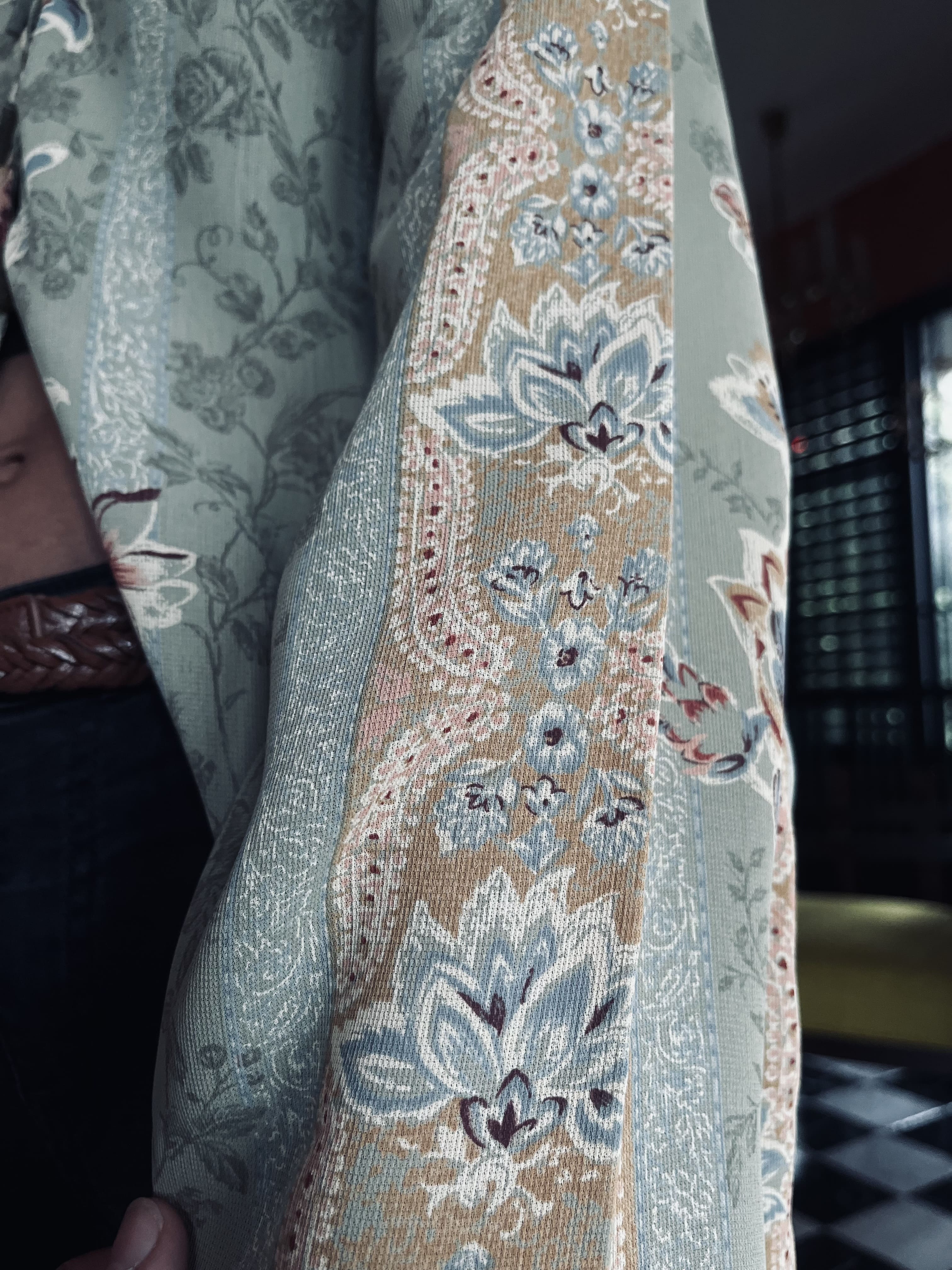
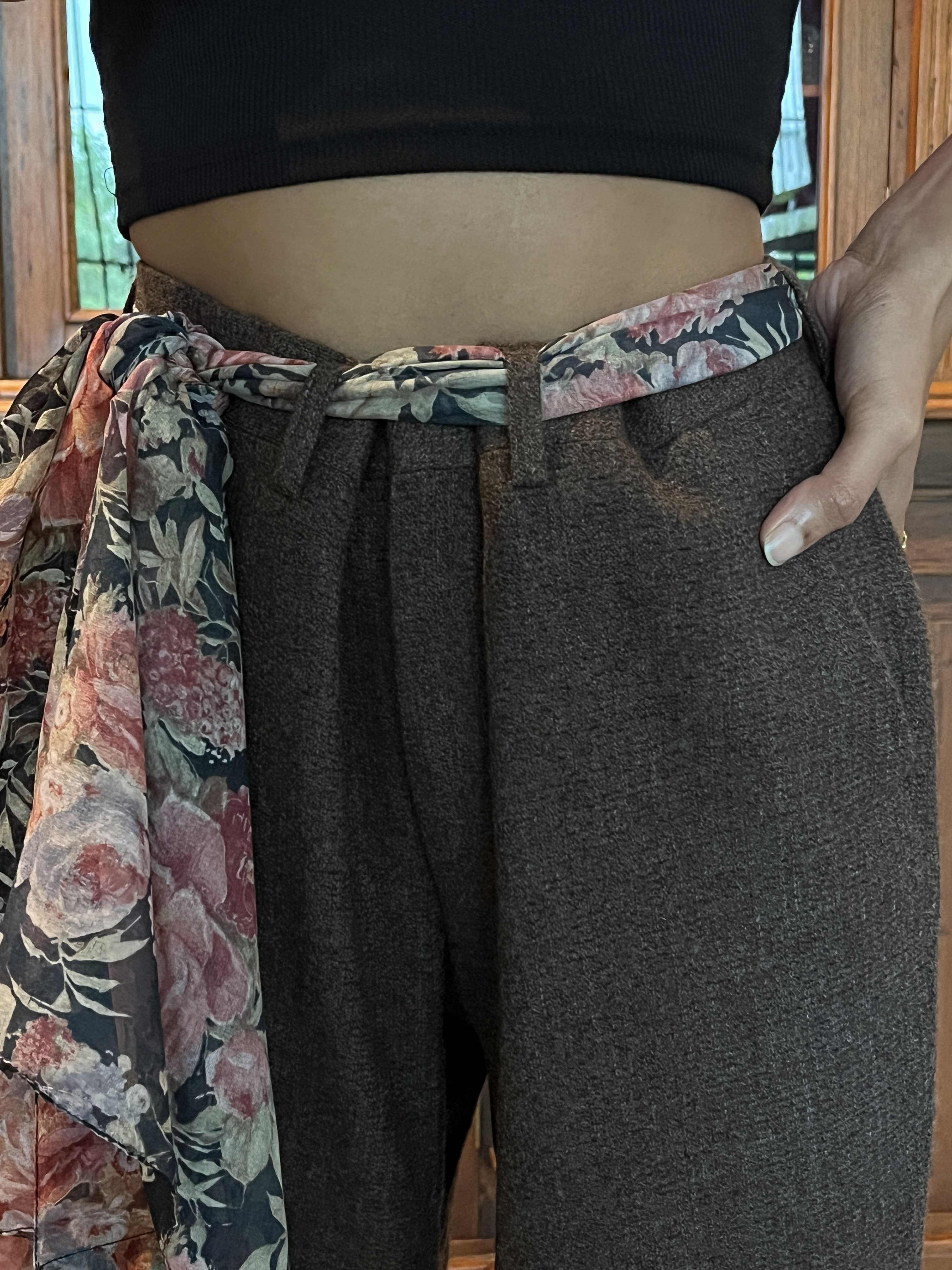
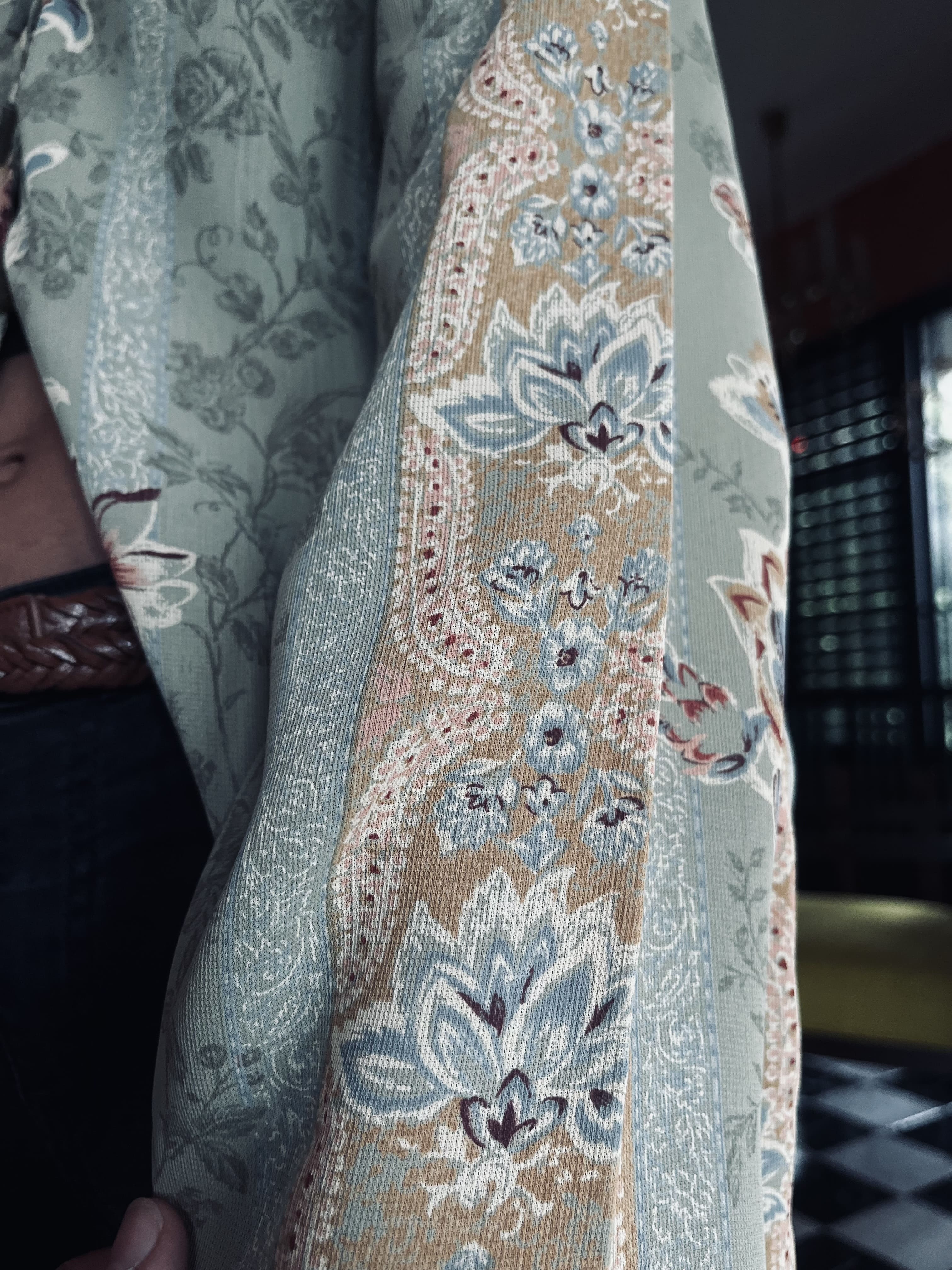
Most of what we wear here is second-hand. Chosen slowly. Worn properly. Repaired when needed. Loved again without trying to turn it into something else.
At some point, it felt worth explaining.
⸻
Garments isn’t about redesigning clothing.
And it isn’t about trends.
Nothing here is transformed or reimagined to look new.
The intention is simpler than that.
These are pieces that already exist.
That have already lived once.
Some quietly. Some boldly.
They don’t need improvement.
They need care.
⸻
The idea grew naturally out of the space.
Grandma Jazz has always been attentive to what stays and what gets discarded — objects, habits, materials. Clothing was no different.
We were already wearing these pieces every day.
People noticed.
Conversations followed.
Eventually, Garments became a way to continue those conversations without forcing them.
⸻
Fast fashion moves quickly.
Too quickly to notice the cost.
Clothes are produced, purchased, worn briefly, and replaced. The cycle is efficient — but only if you ignore what it leaves behind.
Garments steps out of that cycle entirely.
There is no rush here.
No seasonal pressure.
No need to constantly refresh.
Each piece arrives when it arrives.
And stays until it finds the right person.
⸻
Nothing here is perfect.
Some items carry marks.
Some show wear.
Some require a second look.
That’s part of the point.
Garments isn’t about presenting an ideal version of clothing. It’s about recognising value where it already exists.
⸻
There’s also a quieter layer to this.
Twenty-five percent of proceeds from Garments are donated to elderly charities. Not as an add-on, but as an acknowledgment.
The same generation that lived with less, reused more, and wasted little — often without calling it sustainability — is the generation this project quietly nods to.
Garments doesn’t exist without them.
⸻
Like everything else here, Garments resists being framed as a solution.
It doesn’t claim to fix fashion.
It doesn’t pretend to reverse consumption.
It simply asks whether we can pause long enough to reconsider what we already have.
That question alone changes behaviour.
⸻
Garments also isn’t separate from Grandma Jazz.
It lives in the same room.
Under the same principles.
Objects are meant to be used.
To be held.
To last.
Nothing here is disposable.
Including clothing.
⸻
People sometimes expect Garments to make a statement.
But it doesn’t.
It’s quieter than that.
It exists for people who are comfortable choosing something with a past. For those who don’t need novelty to feel considered. For those who understand that usefulness doesn’t expire when something stops being new.
⸻
There’s no uniform attached to Garments.
No look to adopt.
No message to wear.
The pieces don’t represent Grandma Jazz.
They represent themselves.
That distinction matters.
⸻
Garments began simply because it made sense.
It continues for the same reason.
Clothing doesn’t need to be new to be meaningful.
It doesn’t need to be flawless to be valued.
And it doesn’t need to be fast to be relevant.
It just needs to be worn.
—
Grandma Jazz